A campaign starts in Figma. The layout takes shape. The copy gets refined. Stakeholders sign off, inside the file, in the tool where the work happens.
Then it moves. If you’re in compliance, you know what comes next: the file lands somewhere else, in a different tool, often days after the creative team has moved on to the next deliverable. By the time a flag comes back, the file has changed hands two or three times. Reopening it costs more than the review itself.
That’s not a delay. It’s a sequencing problem, and no amount of reviewer speed fixes it.
The cost of reviewing after the fact
You know this pattern: a disclosure gets dropped in a later revision, a claim shifts slightly between drafts, and nobody catches it because the version you reviewed isn’t the version that shipped. Your review was accurate. It happened too late to matter.
Marketing feels the same problem differently. Every cycle spent reopening a “finished” file is a cycle not spent on the next campaign. When review sits outside the creative workflow, the cost shows up as lost time and missed launch windows. Creative teams start treating compliance as the last, unpredictable step before publishing, not a normal part of building the asset.
Neither side is wrong about what’s happening. You’re describing the same gap from two different seats.
Why “review it faster” doesn’t solve it
The instinct is to speed up the handoff: shorter review windows, faster turnaround commitments, more reviewer capacity. All of that helps at the margins. None of it changes the sequence.
Review that happens after design is complete is always reacting to a decision that’s already been made. The earlier a compliance check happens in the process, the fewer decisions there are left to unwind. This isn’t a resourcing problem. It’s a structural one, and structural problems don’t get solved by adding more people to the wrong step.
The only review that happens inside the design tool itself
Every other compliance check in a typical workflow happens after work leaves Figma. The file gets exported, uploaded, or handed off to a separate review tool, and the check happens there, once it’s already moved.
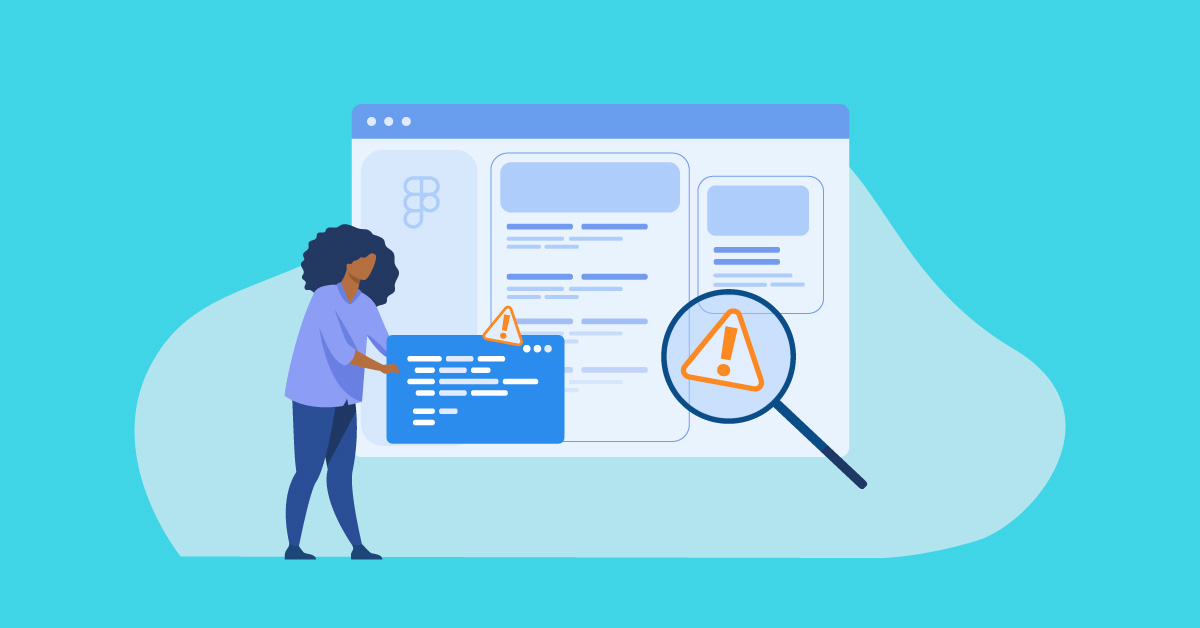
PerformLine’s Figma integration is the only capability that doesn’t work that way. It runs inside the native design file itself, in real time, while the work is still being built, not after it’s exported somewhere else for review.
That distinction is the whole point. When a marketing team builds a campaign in Figma, the compliance check runs against that same file, at that same stage, instead of waiting for a handoff to happen first.
For you, that means reviewing the version that’s going to ship, not a snapshot from three revisions back. For marketing, it means fewer files reopened after the fact, and fewer campaign timelines absorbing a review cycle nobody budgeted for.
Nothing about the review standard changes. What changes is where it happens, and this is currently the only place that “where” is inside the design tool itself.
Compliance as part of the build, not a gate after it
The teams that get the most value from this shift aren’t the ones running compliance faster. They’re the ones who’ve stopped treating compliance as a separate stage that starts once design ends.
If you’re already using PerformLine for pre-publication compliance review, this capability is worth building into how your team works in Figma today. Don’t treat it as an extra step layered onto a process that’s already finished.
Compliance doesn’t have to sit outside the creative stack, waiting for work to get handed off. It can sit inside it, checking the same file everyone else is already working in.